Guide 5 of 6
Gas or electric: what the government guides compare
The Australian Government’s energy.gov.au says many electric home appliances are more energy efficient than gas ones, using less energy for the same task and costing less to run. Among the changes it describes are hot water, heating and cooling, and cooking.
The comparison matters for plans, too. A gas supply fee is charged for being connected, whether you use your gas appliances or not.
General information, not advice for your home. In Australia some electrical and gas work is illegal unless you are a qualified electrician or gasfitter. For safety, follow your state’s regulator, such as Energy Safe Victoria.
Three uses, as the guides weigh them
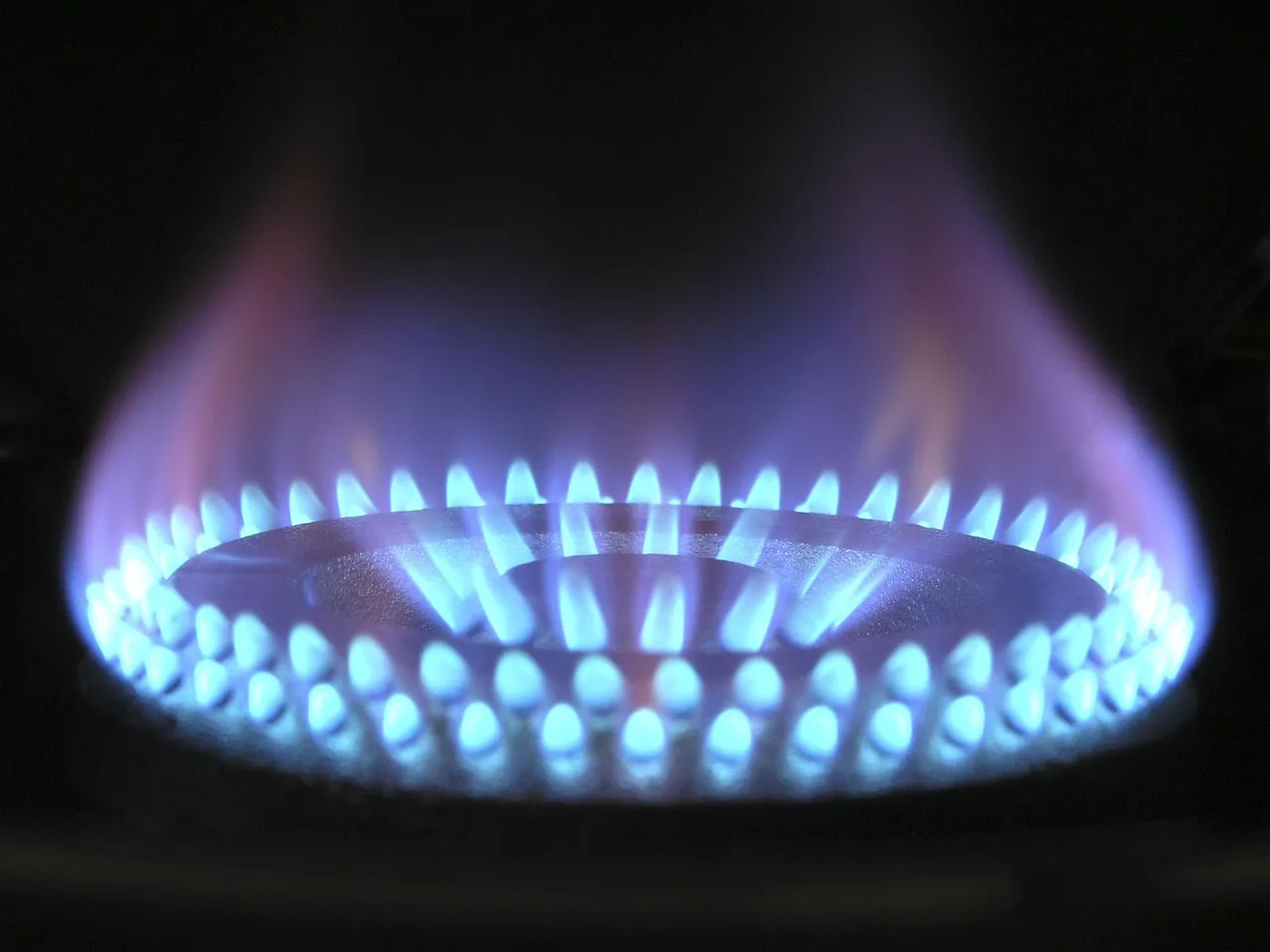
| Use | The electric option it describes | What it says about gas |
|---|---|---|
| Heating | Reverse-cycle air conditioners on the Australian market range from 300% to 600% efficient, because they move heat rather than make it. | Ducted gas heating is expensive to operate, because of its gas use and the electricity its fans need. Ducted reverse-cycle systems are more cost-efficient than gas heating. |
| Hot water | Heat pumps are the cheapest systems to run, though they can be expensive to buy and install, and may not suit apartments with little space. | Hot water is around 25% of an average household’s energy use, and energy.gov.au says replacing a gas water heater with an electric one can cut energy bills and greenhouse gas emissions significantly. |
| Cooking | Induction cooktops heat quickly and cost less to run than gas stoves or conventional electric hotplates. | Cooking is a small share of household energy costs; when replacing an old gas stovetop or oven, it suggests an efficient electric alternative. |
The full hot water comparison, system by system, is on energy.gov.au’s hot water systems page.
Labels help when comparing models. Most single-phase, non-ducted air conditioners carry a Zoned Energy Rating Label showing efficiency for hot, average and cold climates, and certain gas heaters cannot be legally sold or installed without a gas appliance Energy Rating Label. YourHome notes that some state and local governments now ban gas in new homes; Victoria’s rules are in Victoria and new gas connections.
Changing over time, not all at once
energy.gov.au says you don’t need to change everything at once, and that a plan prioritising which appliances to replace, within a budget, helps. In summary, its planning tips are:
- Note which appliances use gas and which are near the end of their life. Gas water heaters usually last 12 to 15 years, cooktops 15 to 20.
- Set a budget and a timeline, which might run from a few months to several years.
- Use the natural moments: renovating, building or replacing an appliance anyway.
- Start with the appliance that uses the most gas; in most houses, that is the heating.
- Ask about the right size: a system too small for the household can cost more if it is used more heavily.
- Get more than one quote, remembering the cheapest isn’t always the best.
Stopping the gas supply
energy.gov.au describes the final step of going all-electric as halting the gas supply, work only qualified professionals may do. It describes two options, depending on your state or territory, and suggests contacting your retailer to arrange either one and close your account.
Disconnection
A temporary shut-off of the gas supply to your property. The supply can be turned back on later.
Abolishment
A permanent disconnection. It may not be available in an apartment, where the gas infrastructure serves the whole building rather than one home.
Both are charged for, and costs and processes differ by retailer and by where you live; energy.gov.au notes that ending the supply fee saves money in the long run.
If you rent
Electrification is a decision for the owner. energy.gov.au says renters can write to their landlord asking for changes, including replacing gas appliances with electric ones, and that renters’ rights vary by state and territory.